Category: Uncategorized

  • Wie Risiko und Nervenkitzel unser Gehirn faszinieren: Das Beispiel Diamond Riches

    Der menschliche Drang nach Spannung und Risiko hat seit jeher eine zentrale Rolle in unserem Verhalten eingenommen. Ob beim Erkunden unbekannter Wege, beim Spielen oder im Alltag – unsere Reaktion auf aufregende Reize ist tief in unserem Gehirn verwurzelt. Das Verständnis dieser Mechanismen ist nicht nur für Wissenschaftler interessant, sondern auch für diejenigen, die moderne Technologien und Spiele gestalten. Ziel dieses Artikels ist es, zu erklären, wie unser Gehirn auf Spannung reagiert und welche neurologischen sowie psychologischen Prozesse dabei eine Rolle spielen.

    Grundlegende neurologische Mechanismen hinter Risiko und Nervenkitzel

    Das Belohnungssystem: Dopamin und seine Rolle bei Spannungserlebnissen

    Das menschliche Gehirn verfügt über ein komplexes Belohnungssystem, das vor allem durch den Neurotransmitter Dopamin gesteuert wird. Beim Eintreten von aufregenden oder riskanten Situationen schüttet das Gehirn Dopamin aus, was ein Gefühl von Freude und Zufriedenheit erzeugt. Dieses System motiviert uns, ähnliche Erlebnisse erneut zu suchen. Forschungen zeigen, dass beim Spielen um Geld oder bei riskanten Entscheidungen die Dopaminfreisetzung besonders hoch ist, was den Nervenkitzel verstärkt und die Motivation steigert.

    Angst und Risiko: Die Balance zwischen Fluchtreflex und Belohnung

    Neben dem Belohnungssystem spielt auch die Angst eine entscheidende Rolle. Unser Gehirn muss eine Balance finden zwischen dem Flucht- und dem Belohnungstrieb. In Situationen, die als bedrohlich wahrgenommen werden, aktiviert sich der Fluchtreflex, der im limbischen System, insbesondere in der Amygdala, verankert ist. Interessanterweise kann ein gewisses Maß an Angst den Nervenkitzel sogar verstärken, da es die Ausschüttung von Adrenalin fördert und den Erlebniswert erhöht. Diese Balance ist evolutionär sinnvoll, da sie uns vor echten Gefahren schützt, gleichzeitig aber auch das Verlangen nach spannenden Erlebnissen fördert.

    Evolutionäre Perspektive: Warum unser Gehirn auf Gefahr und Unsicherheit anspricht

    Aus evolutionärer Sicht ist unser Gehirn darauf programmiert, auf Gefahr und Unsicherheit zu reagieren. Früher bedeutete das Überleben in der Wildnis oftmals, Risiken einzugehen, um Ressourcen zu sichern oder Feinden zu entkommen. Deshalb sind bestimmte neuronale Netzwerke so ausgeprägt, dass sie auf Unsicherheiten empfindlich reagieren. Dieses evolutionäre Erbe ist noch heute in unserem Verhalten sichtbar: Wir suchen Nervenkitzel, weil unser Gehirn die Gefahr mit einem Gefühl der Belohnung verknüpft – eine Überlebensstrategie, die sich im modernen Kontext in Form von Glücksspielen oder Extremsportarten manifestiert.

    Psychologische Aspekte von Risiko und Nervenkitzel

    Risikobereitschaft und individuelle Unterschiede

    Nicht jeder Mensch reagiert gleich auf riskante Situationen. Studien zeigen, dass die Risikobereitschaft stark von genetischen Faktoren, Persönlichkeitsmerkmalen und bisherigen Erfahrungen abhängt. Einige Menschen suchen aktiv nach Spannung, während andere eher vorsichtig sind. Besonders bei Glücksspielern oder Extremsportlern ist eine erhöhte Aktivität im dopaminergen System beobachtet worden, was die individuelle Neigung zu riskanten Entscheidungen erklärt.

    Die Rolle von Erwartung und Erfahrung

    Erwartungen formen maßgeblich unsere Wahrnehmung von Nervenkitzel. Positive Erfahrungen bei riskanten Aktivitäten erhöhen die Bereitschaft, erneut solche Erlebnisse zu suchen. Umgekehrt kann eine negative Erfahrung die Risikobereitschaft senken. Psychologische Konzepte wie die „Verzerrung der Erwartung“ erklären, warum Menschen trotz Kenntnis der Gefahren weiterhin Risiken eingehen – die Hoffnung auf den großen Gewinn oder die Flucht vor Langeweile spielen hier eine zentrale Rolle.

    Risiko im Kontext der Entscheidungsfindung

    Entscheidungen unter Risiko sind komplex und beinhalten die Abwägung zwischen potenziellem Gewinn und Verlust. Das menschliche Gehirn nutzt dabei hauptsächlich zwei Systeme: das emotionale, limbische System, das schnelle Entscheidungen trifft, und den präfrontalen Cortex, der für rationale Abwägungen zuständig ist. In Spielsituationen wie bei meine Erfahrungen mit dem Diamond Riches Slot wird deutlich, wie emotionale Reize das rationale Denken beeinflussen und die Entscheidung für oder gegen ein Risiko lenken.

    Einfluss moderner Technologien auf das Nervenkitzel-Erlebnis

    Automatisierte Systeme und ihre Effizienz (z.B. Autoplay-Funktionen, Fixierte Systeme)

    Moderne Spielautomaten und Online-Casinospiele nutzen automatisierte Systeme, um das Spielerlebnis zu optimieren. Funktionen wie Autoplay erlauben es, Spiele ohne ständiges Eingreifen zu absolvieren, was den Spielfluss erhöht und die Spannung aufrechterhält. Fixierte Systeme, bei denen bestimmte Parameter automatisch eingestellt werden, reduzieren die kognitive Belastung der Nutzer und sorgen für eine kontinuierliche Bindung an das Spiel.

    Visuelle Effekte und ihre Wirkung auf die Aufmerksamkeitsspanne

    Visuelle Reize wie Glitzereffekte, animierte Symbole und bunte Animationen sind strategisch eingesetzt, um die Aufmerksamkeit zu steigern. Diese Effekte aktivieren das Belohnungssystem im Gehirn, verstärken die Erwartung auf eine positive Überraschung und erhöhen die Verweildauer beim Spiel. Die Kombination aus Farben, Bewegungen und Soundeffekten schafft eine immersive Erfahrung, die den Nervenkitzel intensiviert.

    Das Zusammenspiel von Technologie und menschlicher Wahrnehmung

    Technologie beeinflusst nicht nur die Gestaltung der Spiele, sondern auch die Wahrnehmung der Nutzer. Durch gezielte Steuerung der visuellen und akustischen Reize werden emotionale Reaktionen ausgelöst, die den Nervenkitzel steigern. Dieses Zusammenspiel ist ein Beispiel dafür, wie moderne Entwicklungen unser Belohnungssystem manipulieren können, um die Nutzer länger zu binden.

    Das Beispiel Diamond Riches: Ein moderner Ansatz zur Erzeugung von Nervenkitzel

    Beschreibung des Spiels und seiner Design-Elemente

    Diamond Riches ist ein modernes Slot-Spiel, das klassische Elemente mit innovativen Gestaltungstechniken verbindet. Es zeichnet sich durch funkelnde Diamanten, leuchtende Symbole und dynamische Animationen aus, die das visuelle Erlebnis intensivieren. Das Design zielt darauf ab, die Aufmerksamkeit der Spieler durch visuelle Reize zu fesseln und den Nervenkitzel zu verstärken.

    Wie Glitzereffekte die Aufmerksamkeit steigern und den Nervenkitzel fördern

    Die gezielte Verwendung von Glitzereffekten und leuchtenden Farben aktiviert die visuellen Sensoren im Gehirn und steigert die Erwartung auf einen Gewinn. Solche Effekte sind nicht nur ästhetisch ansprechend, sondern auch psychologisch wirksam, da sie das Belohnungssystem ansprechen und den Spielspaß intensivieren.

    Die Nutzung von Autoplay-Funktionen zur Erhöhung des Spieldurchlaufs

    Autoplay ermöglicht es, mehrere Spielrunden automatisch durchzuführen, was den Spielfluss aufrechterhält und den Nervenkitzel kontinuierlich erhöht. Diese Funktion reduziert die kognitive Belastung, da der Spieler weniger aktiv eingreifen muss, und fördert so das längere Verweilen im Spiel.

    Fixierte Systeme: Reduktion kognitiver Belastung und Steigerung der Nutzerbindung

    Fixierte Systeme sind so gestaltet, dass sie bestimmte Spielparameter automatisch steuern, was die kognitive Belastung senkt. Diese Automatisierung sorgt für eine gleichbleibende Spannung und trägt dazu bei, dass Nutzer länger im Spiel bleiben, ohne sich ständig um Einstellungen kümmern zu müssen. Das Ergebnis ist eine stärkere Nutzerbindung und eine intensivere Erfahrung.

    Non-Obvious Insights: Tiefere Betrachtungen zur Wirkung von Risiko im Gehirn

    Wie kurzfristige Spannung langfristige Motivation beeinflusst

    Kurzfristige Nervenkitzel, wie er bei Spielautomaten oder Glücksspielen empfunden wird, kann die Motivation zur wiederholten Teilnahme steigern. Das Gehirn speichert diese positiven Erfahrungen und verbindet sie mit dem Wunsch, erneut ähnliche Erlebnisse zu suchen. Dieser Mechanismus ist ein wichtiger Treiber für die Entwicklung von Spielsucht, da die kurzfristige Befriedigung eine langfristige Verhaltensbindung erzeugt.

    Der Einfluss von Erwartungshaltungen auf die Wahrnehmung von Nervenkitzel

    Erwartungshaltungen spielen eine zentrale Rolle bei der Wahrnehmung von Spannung. Wenn ein Spieler auf einen Gewinn hofft, erhöht dies die Dopaminfreisetzung im Gehirn. Diese Erwartungshaltung kann den Nervenkitzel verstärken, auch wenn der tatsächliche Ausgang des Spiels unvorhersehbar bleibt. Damit wird deutlich, wie psychologische Faktoren die neuronale Reaktion auf riskante Situationen modulieren.

    Potenzielle Risiken der Überstimulation und Suchtgefahr

    Obwohl Nervenkitzel motivierend sein kann, besteht die Gefahr der Überstimulation. Dauerhafte Reize, die das Belohnungssystem kontinuierlich aktivieren, können zu Suchtverhalten führen. Die Balance zwischen aufregender Erfahrung und verantwortungsvollem Umgang ist entscheidend, um langfristige Schäden zu vermeiden. Besonders bei digitalen Glücksspielen ist Vorsicht geboten, da automatisierte Systeme die Gefahr der Abhängigkeit erhöhen können.

    Praktische Implikationen: Nutzen und Gefahren für Nutzer

    Chancen durch technologische Gestaltung: Fesselung und Engagement

    Technologische Innovationen ermöglichen es, Nutzer durch ansprechendes Design, visuelle Effekte und automatisierte Funktionen stärker zu fesseln. Diese Strategien können das Engagement erhöhen und die Nutzerbindung verbessern – ein Vorteil für Entwickler und Anbieter. Dennoch ist es wichtig, diese Gestaltung bewusst einzusetzen, um keine unkontrollierbaren Suchtgefahren zu fördern.

    Risiken von exzessivem Nervenkitzel und Abhängigkeit

    Der intensive Nervenkitzel, der durch automatisierte Systeme und visuelle Reize erzeugt wird, kann bei manchen Nutzern zu exzessivem Verhalten führen. Es besteht die Gefahr, dass sie die Kontrolle verlieren und in eine Abhängigkeit geraten. Besonders bei Glücksspielen im Internet ist die Gefahr der Sucht hoch, weshalb verantwortungsvoller Umgang und klare Grenzen notwendig sind.

    Empfehlungen für verantwortungsvollen Umgang mit aufregenden Angeboten

    Nutzer sollten sich bewusst sein, welche Reize und Mechanismen in Spielen eingesetzt werden. Pausen, Limits und Aufklärung sind wichtige Maßnahmen, um den Spaß am Nervenkitzel zu erhalten, ohne die Kontrolle zu verlieren. Entwickler und Betreiber sollten zudem transparente Rahmenbedingungen schaffen, um verantwortungsvolles Spielen zu fördern.

    Fazit: Das Zusammenspiel von Risiko, Nervenkitzel und Gehirn – eine Balanceakt

    “Das menschliche Gehirn liebt Spannung, aber nur in Maßen. Zu viel Nervenkitzel kann süchtig machen, während zu wenig das Interesse schwinden lässt.”

    Zusammenfassend lässt sich sagen, dass Risiko und Nervenkitzel tief in unseren neurologischen und psychologischen Systemen verwurzelt sind. Moderne Technologien nutzen diese Mechanismen gezielt, um spannende Erlebn
  • The Symbolism of Falcons and Protection in Ancient Egypt

    Ancient Egypt, a civilization renowned for its rich spiritual and cultural tapestry, placed immense symbolic significance on animals and divine motifs. These symbols served as powerful conveyors of protection, authority, and connection to the divine. Among these, the falcon stands out as a prominent emblem representing divine guardianship and royal power, embodying both mythological and material expressions of protection that continue to fascinate scholars and enthusiasts today.

    Introduction to Symbols of Protection in Ancient Egypt

    Ancient Egypt’s worldview was deeply intertwined with spiritual concepts, where divine protection and authority were central themes. The Egyptians believed that the gods actively safeguarded the universe, the pharaoh, and individuals through symbolic representations. These symbols—ranging from deities to animals—acted as tangible links between the mortal realm and the divine, conveying messages of power, protection, and eternal life. Animals, especially birds like the falcon, became embodiments of divine qualities, illustrating how nature was perceived as an extension of spiritual authority.

    The importance of symbolism in conveying divine protection and power

    In Egyptian culture, symbols were more than mere images; they were sacred tools used to invoke divine intervention and safeguard against chaos. Amulets, hieroglyphs, and ritual objects bore these symbols, serving as protective charms in daily life and the afterlife. The integration of symbols into material culture reinforced the belief that divine protection was accessible through tangible objects, which could channel divine energies and ensure safety from harm.

    How animals, especially birds like the falcon, embody these themes

    Among various animals revered in Egypt, the falcon was especially prominent due to its keen eyesight, agility, and hunting prowess. These qualities symbolized divine vigilance and protection. Birds, as messengers of the gods, often represented the divine realm itself, bridging humans and deities. The falcon’s association with the sky and kingship made it a natural emblem of divine guardianship, embodying the protective qualities attributed to the gods and rulers alike.

    The Falcon as a Sacred Symbol in Egyptian Mythology

    The falcon is most famously linked to Horus, one of the most significant deities in Egyptian mythology. Horus, often depicted as a falcon or with a falcon head, represented kingship, protection, and the sky. The myth of Horus’s struggle against Seth symbolized the victory of order over chaos, with the falcon as a divine protector overseeing this cosmic battle. The pharaoh was considered the earthly embodiment of Horus, further emphasizing the bird’s role in divine authority and protection.

    Mythological stories illustrating the falcon’s protective qualities

    In one prominent myth, Horus’s eye—the Eye of Horus—was injured in a battle with Seth. The healing of the eye became a symbol of restoration and safeguarding, reinforcing the idea that the falcon and its symbols offered protection and healing. This myth underscores how the falcon’s qualities extend beyond mere appearance, embodying resilience, vigilance, and divine safeguarding.

    The falcon’s physical traits reinforcing its role as a protector and hunter

    The falcon’s sharp eyesight, swift flight, and hunting skills symbolize vigilance and the ability to detect threats from afar. These traits made it an ideal emblem for divine protection, suggesting that the gods—like the falcon—were ever-watchful guardians. This symbolism was reinforced in artifacts, jewelry, and temple decorations, where the falcon imagery served as a reminder of divine sovereignty and protection.

    The Concept of Protection in Ancient Egyptian Beliefs

    Protection was a fundamental aspect of Egyptian spirituality, influencing both daily life and the afterlife. Egyptians believed that divine forces shielded individuals from harm, chaos, and evil spirits. Protective symbols and rituals were integral to securing this divine guardianship, ensuring safety for the living and a secure journey into eternal life. Ritual objects like amulets, statues, and offerings were crafted specifically to invoke divine protection, emphasizing the intertwined nature of faith and material culture.

    The role of divine protection in daily life and afterlife

    In everyday contexts, Egyptians wore amulets like the Eye of Horus to ward off evil and ensure health and safety. In the afterlife, protective spells and objects were crucial to safeguard the soul’s journey through the underworld. These practices reflected a core belief that divine protection was essential for maintaining harmony and achieving eternal life.

    How symbols were used to invoke divine guardianship

    Symbols such as the Eye of Horus, scarabs, and the falcon iconography were frequently inscribed on amulets, tomb walls, and ritual vessels. These symbols acted as divine signatures, channeling protective energies. Their repeated use reinforced their effectiveness, creating a spiritual barrier against harm and evil influences.

    Connection between protection and eternal life through ritual objects

    Objects like the Eye of Horus served dual purposes—protection in the earthly realm and as symbols of eternal safeguarding in the afterlife. Their inclusion in burial practices underscored the Egyptians’ belief in ongoing divine support, ensuring the deceased’s safe passage and preservation of their soul against threats beyond death.

    The Eye of Horus: An Educational Illustration of Protection

    The Eye of Horus, also known as Wadjet, is one of the most recognizable symbols of ancient Egyptian protection. Originating from a myth where Horus’s eye was injured and subsequently restored, this symbol embodies health, restoration, and divine safeguarding. Its widespread use in amulets and jewelry highlights its importance as a talisman against evil and disease.

    Origins and mythological significance of the Eye of Horus

    The myth recounts that Horus’s eye was injured during his conflict with Seth, the chaos deity. The healing process of the eye, symbolizing restoration, became a powerful metaphor for protection and health. The Eye of Horus was believed to carry the divine power to ward off harm and restore wholeness, making it a potent symbol in both religious and personal contexts.

    Symbolism of the eye as a safeguard and healing talisman

    In practice, the Eye of Horus was used in amulets to protect wearers from injury and illness. Its unique geometric design, featuring a stylized eye and markings, was thought to channel divine healing energies. The symbol’s protective quality extended into funerary practices, where it was inscribed on coffins and funerary objects to safeguard the deceased’s journey into the afterlife.

    The Eye of Horus in amulets, jewelry, and funerary practices

    The widespread use of the Eye of Horus in personal adornment and burial contexts exemplifies its significance. Today, it stands as a modern illustration of eternal protection, echoing ancient beliefs that divine symbols could transcend time and space. For those interested in exploring such symbols further, some modern platforms offer collections inspired by these age-old protections, such as the RTP 96.31% slot, which pays homage to the enduring legacy of Egyptian symbolism.

    The Intersection of Animal Mummies and Symbolism of Protection

    Animal mummification was a profound aspect of Egyptian spiritual practice, symbolizing continued divine protection and spiritual continuity. Animals like falcons, baboons, and cats were mummified to serve as intermediaries between humans and gods, embodying divine qualities and safeguarding the deceased’s soul.

    The significance of animal mummies in spiritual continuity and protection

    Animal mummies represented the divine presence and were believed to carry divine power into the afterlife. Falcons, in particular, were mummified to invoke the protective qualities of Horus, ensuring divine guardianship for the deceased. This practice reinforced the Egyptian view that animals possessed inherent spiritual energy essential for safeguarding both the living and the dead.

    The scale of mummification and its reflection of divine reverence

    The meticulous mummification process underscored the reverence Egyptians held for these animals. Higher-quality mummies, with elaborate wrappings and rituals, indicated greater divine importance. Falcon mummies, often found in tombs of high-ranking officials or pharaohs, exemplify how the protective power of the falcon was deeply embedded in Egyptian spiritual hierarchy.

    How animal mummies exemplify the protective power attributed to animals like the falcon

    By preserving these animals, Egyptians believed they retained their divine essence, which could be called upon for protection. Falcon mummies, in particular, symbolized the enduring vigilance and divine oversight that protected the pharaoh and the nation. This spiritual trust in animal embodiments highlights the profound connection between material culture and divine protection.

    Material Culture and Magical Practices as Vehicles of Protection

    Material Application Significance
    Gold Amulet frames, jewelry Symbolizes divine power and immortality
    Lapis Lazuli Amulets, inlays Associated with protection and divine favor
    Faience Protective amulets and figurines Believed to have magical protective properties

    The use of precious materials in creating protective objects was rooted in the belief that these substances could channel divine energies. Ritual practices, such as offerings and magical transformations, further enhanced the protective power of these objects, ensuring their effectiveness in safeguarding individuals and spaces from harm.

    The role of offering tables and magical transformations in ensuring eternal protection

    Offerings of food, drink, and symbolic objects on dedicated tables were believed to nourish divine guardians and maintain their protective presence. Magical rituals often involved transforming material offerings into spiritual protections, reinforcing the idea that material culture was a conduit for divine intervention and safeguarding.

    Non-Obvious Dimensions of Falcon Symbolism and Protection

    Beyond religious and mythological contexts, falcon imagery influenced governance, societal order, and even modern iconography. The psychological impact of falcon symbols fostered loyalty and confidence among rulers and citizens, embodying strength and vigilance. This symbolism extended into modern culture, where images of birds of prey continue to represent protection, authority, and resilience in various forms.

    The psychological impact of falcon imagery on Egyptian society and rulers

    The regal and vigilant qualities of the falcon fostered a sense of divine right and stability. Rulers often adopted falcon motifs in their regalia, reinforcing their divine authority and protective role. This psychological association persisted through history, influencing contemporary symbols of leadership and guardianship.

    How protection symbolism extended beyond religion into governance and societal order

    The protective symbolism of fal

  • Conseils pour maîtriser le jeu et augmenter vos chances avec la version gratuite

    Jouer à des jeux en version gratuite peut sembler limité comparé aux options payantes, mais avec la bonne stratégie, il est tout à fait possible d’optimiser votre expérience et de maximiser vos chances de succès. Cet article vous offre des conseils pratiques, appuyés par des données et des exemples concrets, pour vous aider à maîtriser le jeu sans dépenser un centime. Que vous soyez débutant ou joueur confirmé, ces stratégies vous permettront d’améliorer vos performances tout en respectant votre budget.

    Optimiser votre gestion du temps pour jouer efficacement sans dépenser

    Planifier ses sessions de jeu pour maximiser la progression

    Une planification rigoureuse est essentielle pour tirer le meilleur parti de votre temps de jeu. Selon une étude publiée dans le Journal of Gaming & Virtual Worlds, les joueurs qui définissent un calendrier précis de sessions atteignent leurs objectifs plus rapidement. Par exemple, réserver 30 minutes chaque matin ou soir permet de maintenir une progression constante sans risque de fatigue ou de frustration. Utilisez un calendrier ou une alarme pour vous fixer des plages horaires précises, et respectez-les pour éviter les pertes de temps.

    Identifier les moments clés pour jouer et éviter les pertes de temps

    Certains moments de la journée offrent des opportunités accrues pour jouer efficacement. Par exemple, lors des événements spéciaux ou des bonus temporaires, la disponibilité de récompenses accrues peut faire toute la différence. En observant votre propre comportement, vous pouvez repérer ces fenêtres temporelles où le gain potentiel est maximal. Pour en savoir plus sur ces opportunités, vous pouvez consulter https://friday-roll.fr. Jouer lors des heures où le taux d’engagement des autres joueurs est élevé augmente aussi vos chances de participer à des événements communautaires, souvent riches en récompenses gratuites.

    Utiliser des rappels et alarmes pour structurer ses sessions

    Les rappels sont des outils simples mais puissants pour éviter de dépasser votre temps de jeu. Par exemple, une alarme programmée pour 45 minutes permet de faire une pause et de revenir plus concentré. Des applications comme Google Calendar ou des alarmes intégrées peuvent vous aider à respecter cette discipline. La gestion du temps a été prouvée comme étant un facteur clé dans la réduction du stress lié au jeu, tout en maintenant une productivité constante.

    Maîtriser les stratégies de base pour augmenter ses victoires sans achat

    Connaître les règles fondamentales et appliquer des tactiques éprouvées

    Une compréhension solide des règles du jeu est la première étape pour lancer une stratégie gagnante. Par exemple, dans un jeu de stratégie ou de réflexion, connaître le fonctionnement des différentes unités ou mécaniques permet d’optimiser chaque mouvement. L’application de tactiques éprouvées, comme la défense passive ou l’attaque ciblée, peut augmenter votre taux de victoire jusqu’à 30 %, selon une étude menée par des analystes de jeux compétitifs.

    Analyser ses erreurs pour améliorer ses performances

    Après chaque session, prendre le temps d’analyser ses erreurs est une pratique essentielle. Utilisez un journal ou un outil d’analyse pour noter ce qui a fonctionné ou échoué. Par exemple, si vous constatez que certaines stratégies ne donnent pas de résultats, il est crucial de les ajuster. La méthode de feedback continu est soutenue par la psychologie du jeu, qui montre qu’elle favorise l’apprentissage et l’amélioration progressive.

    Utiliser des ressources gratuites pour approfondir ses stratégies

    De nombreux sites, forums et vidéos YouTube offrent gratuitement des tutoriels et des analyses stratégiques. Par exemple, des joueurs expérimentés partagent leurs astuces sur des sites comme Reddit ou Discord. Ces ressources permettent d’accéder à des conseils spécialisés, souvent inaccessibles autrement sans achat. En intégrant ces apprentissages, vous pouvez affiner votre tactique et augmenter vos chances de succès.

    Découvrir des astuces avancées pour exploiter toutes les fonctionnalités gratuites

    Profiter des événements spéciaux et des bonus temporaires

    Les développeurs de jeux proposent régulièrement des événements temporaires avec des récompenses accrues. Par exemple, lors des événements saisonniers, il est possible d’obtenir des items exclusifs ou des monnaies gratuites. La participation active à ces événements est stratégique, car elle permet de maximiser vos gains sans dépenser d’argent. Selon une étude de GameAnalytics, plus de 60 % des gains gratuits proviennent de ces bonus temporaires.

    Maximiser l’utilisation des outils gratuits proposés par le jeu

    Certains jeux offrent des fonctionnalités gratuites telles que des boosters, des quêtes journalières ou des missions d’exploration. Par exemple, utiliser quotidiennement ces outils permet de cumuler des ressources importantes sur le long terme. La constance dans l’utilisation de ces fonctionnalités est une stratégie efficace pour progresser sans achat, comme le prouve l’expérience de nombreux joueurs professionnels.

    Savoir quand et comment économiser pour des avantages temporaires

    Il est souvent judicieux d’économiser ses ressources dans le jeu pour profiter d’avantages temporaires lors d’événements majeurs. Par exemple, conserver des points ou monnaies virtuelles jusqu’à un événement spécial vous permet de débloquer rapidement des contenus exclusifs ou des récompenses rares. La patience et la planification sont clés pour tirer parti de ces opportunités sans dépenser d’argent réel.

    Adopter une approche psychologique pour renforcer votre concentration et votre motivation

    Garder une attitude positive face aux défis du jeu gratuit

    Une mentalité positive influence directement votre performance. Selon la psychologie cognitive, voir chaque échec comme une opportunité d’apprentissage augmente la résilience. Par exemple, après une défaite, analyser calmement ses erreurs plutôt que de se décourager permet de progresser plus rapidement. Des études montrent que les joueurs optimistes ont 20 % plus de chances de continuer à jouer sur le long terme et d’améliorer leurs compétences.

    Gérer la frustration et éviter l’épuisement mental

    Le jeu peut parfois générer de la frustration, surtout en l’absence d’achats pour accélérer la progression. Techniques de gestion du stress, comme la respiration profonde ou la méditation, peuvent aider à maintenir la concentration. Par exemple, prendre une pause de 5 minutes après une série de défaites permet de revenir plus sereinement et d’éviter le burn-out mental.

    Fixer des objectifs réalistes pour maintenir l’engagement

    Se fixer des objectifs concrets, comme atteindre un certain niveau ou compléter une série de missions, encourage la motivation durable. Des recherches en psychologie montrent que des objectifs atteignables renforcent la confiance et prolongent la engagement. Par exemple, viser une amélioration spécifique chaque semaine peut transformer le jeu en une expérience gratifiante plutôt qu’en source de frustration.

    Analyser les tendances et ajuster sa stratégie en fonction des évolutions du jeu

    Suivre les mises à jour et nouvelles fonctionnalités gratuites

    Les développeurs mettent régulièrement à jour leurs jeux avec de nouvelles fonctionnalités ou événements gratuits. Rester informé via les réseaux sociaux ou les forums officiels assure de ne pas manquer ces opportunités. Par exemple, une mise à jour introduisant de nouvelles missions gratuites peut considérablement augmenter vos gains si vous adaptez votre stratégie en conséquence.

    Étudier le comportement des autres joueurs pour adapter sa tactique

    Observer les stratégies populaires ou les tendances dans la communauté permet d’affiner votre propre approche. Par exemple, en analysant les tactiques gagnantes lors de tournois en ligne, vous pouvez intégrer des éléments efficaces dans votre jeu. La communauté Reddit ou Discord regorge d’analyses détaillées qui peuvent vous aider à rester compétitif.

    Participer à des forums et communautés pour partager des astuces

    Les échanges avec d’autres joueurs sont une ressource précieuse. Participer à des forums ou des groupes sociaux dédiés vous permet de découvrir des astuces inédites, de poser des questions et d’obtenir du soutien. Selon une étude de la plateforme Stack Exchange, l’apprentissage collaboratif augmente la maîtrise du jeu de 25 % en moyenne. Cela favorise un renouvellement constant de stratégies et une adaptation rapide aux évolutions du jeu.

    En résumé, maîtriser un jeu en version gratuite demande une approche stratégique, psychologique et communautaire. En planifiant votre temps, en utilisant judicieusement les ressources disponibles, et en restant à l’écoute des tendances, vous pouvez augmenter significativement vos chances de succès sans dépenser d’argent. La clé réside dans la constance, la patience, et la volonté d’apprendre en continu.

  • The Psychology of Color and Social Norms Through History

    1. Introduction: The Interplay of Color, Social Norms, and Human Psychology

    Colors are not merely visual stimuli; they carry profound psychological and cultural meanings that influence human behavior in social contexts. From ancient rituals to modern fashion, the way we perceive and use color reflects our societal norms and individual identities. Understanding this interplay helps us decode social signals and personal expressions across history and cultures.

    a. Defining the psychological impact of color in social contexts

    Colors can evoke emotional responses—red can stimulate excitement or aggression, blue fosters calmness, and black often signifies authority or mourning. These responses are deeply embedded in human psychology and are often reinforced through social norms, which dictate appropriate color choices for different occasions.

    b. Overview of social norms and their evolution through history

    Social norms are unwritten rules guiding behavior, shaped by cultural, religious, and historical influences. They evolve over time, reflecting societal values and power structures. For example, the color white once symbolized purity in Western societies but has different connotations elsewhere, illustrating how norms adapt.

    c. Purpose and scope of exploring these themes through examples like “Lady In Red”

    This article explores how color, particularly red, functions as a social signal from ancient times to today. The modern iconography of “Lady In Red” exemplifies timeless principles of color psychology and social norms, demonstrating their ongoing relevance in contemporary culture.

    2. Historical Foundations of Color and Social Norms

    a. Cultural significance of colors in ancient societies

    Colors held symbolic meanings in many ancient cultures. In Egypt, gold represented divine power, while in China, yellow was reserved for emperors, signifying authority and sovereignty. These associations were crucial in establishing social hierarchies and religious roles.

    b. The role of color in establishing social hierarchies and identities

    Certain hues became markers of status. In medieval Europe, sumptuary laws restricted the use of expensive dyes like Tyrian purple to royalty and nobility, reinforcing social stratification through color. Such norms dictated who could wear specific colors, cementing social identities.

    c. Case example: Red as a symbol of power and passion in different eras

    Throughout history, red has symbolized both authority and passion. Roman generals wore red cloaks to signify victory, while Renaissance artists used red to depict divine love. Its vividness made it a powerful marker of status and emotional intensity.

    Era Color Significance Example
    Ancient Egypt Gold: Divinity and eternity Pharaohs’ regalia
    Medieval Europe Purple: Royalty Sumptuary laws
    Renaissance Red: Power & Passion Royal portraits

    3. Psychological Theories Behind Color Perception and Behavior

    a. Color psychology: basic principles and research

    Color psychology studies how hues influence human emotions and behaviors. For example, studies show that red enhances arousal and can increase heart rate, making it effective in contexts requiring attention or excitement. Conversely, blue often promotes relaxation and trust, influencing social interactions.

    b. How colors influence emotional responses and social interactions

    Colors act as nonverbal cues. A person wearing red may be perceived as confident or assertive, impacting social dynamics. In marketing, red is used to stimulate appetite and urgency, demonstrating its power to influence perceptions subconsciously.

    c. The concept of “social signaling” through color choices

    “Social signaling” refers to using color to communicate status, affiliation, or intent. For instance, athletes wear specific team colors to signify loyalty, while political movements adopt particular hues to rally support. These choices are often rooted in historical associations but adapt over time.

    4. The Evolution of Social Norms and Color Expression

    a. Changes in acceptable color symbolism over centuries

    Color norms are dynamic. For example, in Victorian England, bright colors in women’s fashion were associated with frivolity, whereas today, bold hues symbolize confidence and independence. Such shifts reflect broader societal transformations.

    b. The impact of major historical movements (e.g., Renaissance, Modernism) on color usage

    The Renaissance revived classical ideals, emphasizing rich, vibrant colors in art and clothing, which conveyed wealth and cultural refinement. Modernist movements in the 20th century challenged traditional color palettes, experimenting with minimalism and abstraction, influencing contemporary perceptions.

    c. How social norms shape individual color choices and vice versa

    Individual preferences can reinforce or challenge societal standards. For example, the adoption of red in women’s fashion during the 1920s (the “flapper” era) symbolized liberation, influencing norms and encouraging bold self-expression.

    5. The Power of Red: From Historical Significance to Modern Symbolism

    a. The symbolism of red in different cultures and contexts

    Red symbolizes passion, power, and danger globally. In China, it represents luck and prosperity; in Western cultures, it often signifies love or warning. Its universal vibrancy makes it a potent social signal.

    b. The case of Josephine Baker’s pet cheetah Chiquita and its connection to red’s association with exoticism and status

    Josephine Baker, a renowned performer and civil rights activist, was famously photographed with her pet cheetah Chiquita, often adorned with red accessories. This imagery reinforced red’s associations with exoticism, wealth, and rebellion—values Baker embodied in her persona and activism.

    c. The influence of red in social and political movements

    Red has been central in revolutionary symbols, such as the red flag representing socialism and communism. Its visibility and emotional intensity make it a favored choice for movements seeking to evoke passion and solidarity.

    6. “Lady In Red”: A Modern Illustration of Color and Social Norms

    a. How the iconic image encapsulates social and psychological themes

    The phrase “Lady In Red” evokes images of confidence, allure, and defiance. This modern archetype demonstrates how a single color choice can embody complex social signals—power, independence, and celebration of personal identity.

    b. The resurgence of red in fashion and media as a statement of confidence and defiance

    In recent decades, red clothing and accessories have become symbols of empowerment. Celebrities and media often portray red as a color of boldness, influencing societal perceptions and encouraging individual expression.

    c. Connection to increased sales of red lipstick in the 1920s and its social implications

    The 1920s saw a surge in red lipstick popularity, aligning with the flapper movement’s push for independence. This trend signified rebellion against conservative norms and marked women’s greater social visibility—an example of how color choices reflect shifting norms.

    For those interested in exploring the enduring appeal of red and its social signals, the red dress slot machine offers an engaging glimpse into how color continues to influence perceptions and choices today.

    7. Non-Obvious Aspects of Color and Social Norms

    a. The subconscious influence of color on decision-making and perception

    Colors can subtly shape judgments without our awareness. For example, studies show that people tend to associate red with dominance and attraction, often influencing partner choice or competitive behavior unconsciously.

    b. How social norms can alter the psychological impact of color over time

    As norms evolve, so does the perception of color. The once controversial use of red lipstick in the early 20th century has become a standard symbol of femininity and confidence, illustrating how norms reframe psychological associations.

    c. The role of media and celebrity in redefining color norms (e.g., “Lady In Red” as a cultural archetype)

    Media portrayals and celebrity styles redefine what colors symbolize. When iconic figures appear confidently in red, they reinforce and sometimes challenge existing norms, influencing societal perceptions and fashion trends.

    8. The Intersection of Music, Mood, and Color Perception

    a. How jazz music increased heart rates and the relationship to vibrant colors like red

    Jazz, with its energetic rhythms, often accompanied visual arts and fashion featuring vibrant reds. This multisensory experience heightened emotional arousal, illustrating how music and color collectively influence social and psychological states.

    b. The multisensory influence of art and entertainment on social norms and psychological responses

    Color and sound intertwine in entertainment to evoke moods. Modern visual arts and cinema utilize color palettes to reinforce themes, subtly guiding audience perceptions and social attitudes over time.

    9. Future Trends: Color, Norms, and the Digital Age

    a. The influence of digital media and global connectivity on color symbolism

    Digital platforms accelerate the spread of color trends, making symbols like red more universally recognized. Campaigns and social movements leverage color to unify global audiences, reflecting evolving norms.

    b. Emerging social norms around color in fashion, branding, and social movements

    Brands now adopt colors strategically to evoke trust or activism, such as green for sustainability or pink for gender inclusivity. These norms shape consumer perceptions and social identity.

    c. Potential shifts in the perception of “Lady In Red” in contemporary culture

    As society embraces diversity and individualism, the archetype of “Lady In Red” may evolve to symbolize empowerment across different identities, further highlighting color’s role in personal and social narratives.

    10. Conclusion: Synthesizing the Psychological and Social Dimensions of Color Through History

    “Colors serve as silent communicators, reflecting and shaping social norms and individual identities across time.”

    From ancient symbols of power to modern icons of confidence, the psychology of color remains a powerful tool for social signaling and personal expression. Recognizing these patterns enhances our understanding of societal dynamics and empowers us to use color consciously in our lives.

    As our world becomes increasingly interconnected, the meanings and norms surrounding color will continue to evolve, offering exciting possibilities for future cultural and social developments.

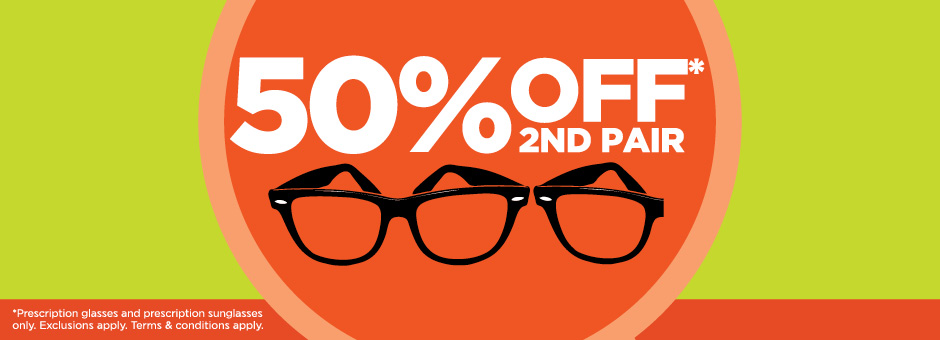
  • BACK-TO-SCHOOL PROMO: SUPER-DOUBLE SUMMER PACK

    BACK-TO-SCHOOL PROMO: SUPER-DOUBLE SUMMER PACK

    This summer break, we bring you a super-double amazing offer!
    BUY A COMPLETE PAIR OF EYEGLASSES(Frame + Lens) or (Prescription Sunglasses)
    &GET A COMPLETE ADDITIONAL PAIR with 50% DISCOUNT.
    Offer Valid:
    Monday, 12th August, 2019 to Saturday, 15th September, 2019.
    Ts & Cs:
    • Requires complete pair purchase of Eyeglasses or Prescription Sunglasses to get an additional 50% off a complete pair.
    • First pair must be equal to or greater in value than the second pair when purchasing 2 pairs of prescription eyeglasses or 2 pairs of prescription sunglasses (ie. when getting the extra pair).
    • Designer Frames and Special order lenses of equal or less value to the first purchased pair have premium offers of 25% discount, only.
    • Promo is applicable only to persons within the ages of 3 to 21 years.
    • Offer valid on multiple pairs.

    Haven Opticals Dental Clinic
    Suite A9/A10, D’ Cherub Mall (Opposite Alpha Beach Junction),
    Lekki-Epe Expressway,
    Lekki,
    Lagos.

    Phone:07045212250, 08059546846
  • DEBUNKING MYTHS/MISCONCEPTIONS ABOUT GLASSES:

    DEBUNKING MYTHS/MISCONCEPTIONS ABOUT GLASSES:

    There are a couple of views many adhere to tenaciously with respect to spectacle wear, while some on the other hand seek clarifications to these myths. But what are these blurry sets of thesis, and how true are they?


    • The Disease Concept:

    Are refractive errors communicable? The answer is No; they aren’t. Myopia, hyperopia, and astigmatism cannot be transmitted physically from person to person, as they are not diseases; neither do they have disease vectors. They are simply lapses in the way light rays bend to reach the eye for us to perceive images clearly. Such errors can be compensated for with appropriate corrective lenses.


    • Age Limitation:

    No one is too young to have a refractive error. As such, no one is too young to wear glasses (corrective or protective), provided one has a visual system which is either less optimally functional or in need of ocular protective/preventive aid.


    • Are All Sunglasses dark shades?

    Sunglasses aren’t just dark shades as some perceive, especially sunglasses with UV blocking agents. This set of sunglasses serve a whole lot of preventive functions to the eye, blocking off harmful Ultraviolet rays which cause cataracts and retinal degenerations that could lead to severe visual impairment or even total vision loss. Any pair of sunglasses void of this protective element should NEVER be worn, as such could cause more harm to the eye than good.


    • Change in Eye Configuration:

    Spectacle wear doesn’t make one’s eye sink inwards or bulge out in any way really. Diverging lenses minify images while looking through them; and converging lenses on the other hand magnify images. So, what on-viewers see really (which makes them make this assumption) is a function of the lens’ optical property, not a change in the configuration of the eyes.


    • The Myth of Deterioration of Vision with Continual Spectacle Wear:

    From about 40 years and above, a condition called Presbyopia sets in. This is observed as a difficulty in reading near prints with one’s distant spectacle correction in place, due to a gradual loss of elasticity of the crystalline lens in the eye. This is compensated for with the use of lens ‘‘Adds’’; and with increase in age, the ‘‘Adds’’ increase. Likewise, in high myopia, the length of the eyeball keeps increasing, requiring higher corrective lens powers. So, basically, it is the structures in the eyes that are changing. Lenses don’t cause any of these changes or deterioration in vision in any wise.


    • The Eye Exercise Myth:

    Can regular eye exercises keep one from needing glasses? No! They can’t. While eye exercises can help improve the functionality of the eye muscles, vision relies on the shape of the eyes and the health of the eye tissues, none of which can be appreciably altered with eye exercises.


    • The Theory of Reading in Dim Illumination:

    Reading in dim illumination cannot worsen one’s vision. One will only end up straining one’s eyes and at some point could even attain dark adaptation. However, after such dark adaptation over a long period of time, one must not expose oneself immediately to a very bright light source, as it could bring about bleaching of the retina. The use of sunglasses, Polaroid lenses or adaptive lenses with such protective functions is recommended after such dark adaptation.


    • The ‘Damaging Effect’ of Wearing Wrong Prescriptions:

    When one wears a wrong prescription, one could have headaches, dizziness, blurred vision or even double vision (diplopia). But these presentations would eventually fade out on discontinuation of such wrong prescriptions and the administration of the correct/appropriate spectacle prescriptions. So, wrong prescriptions do not damage the eyes as is widely thought. They bring about discomforts, which of course can be eliminated with the proper corrections in place.


    • The Myth of Not Looking Good With Glasses:

    Days are gone when eye wears had stereotypic presentations, lacking variety. In our present day, different brands and classes of frames and lenses exist to suit diverse persons, physiques, styles, occasions and purposes; and as such, you can find glasses that add class and sophistication to your look. You always can.


    DR. EZE UGOCHUKWU FAVOUR

  • PREVENT AND DELAY CATARACTS NATURALLY:

    PREVENT AND DELAY CATARACTS NATURALLY:

    When you think about your favourite sights, what images do you see? The sunset from your porch, the radiant smiles of your children and grand children, the glimmer in your partner’s eyes as you dance together. Now, consider what it would be like if those crystal clear images were suddenly blurry, covered in a haze that dulls your world. Such is life with cataracts, a degenerative eye disease that clouds vision and may eventually lead to blindness.

    Here are some recommendations for delaying and even preventing cataracts.

    * Taste the rainbow. maintain a balanced diet, rich in antioxidants and vitamin C and E. consider incorporating these eye healthy foods and take multivitamins to ensure that you are always getting adequate nutrients, even if your diet gets a little off track.

    * Maintain a healthy weight, diabetes and obesity can lead to cataracts. Reduce your risk by exercising regularly and eating healthy portions.

    * Moderate your vices. Smoking and excessive alcohol can also contribute to the cause of cataracts. Limit your alcohol consumption and nix the cigarettes.

    * Protect your eyes from the sun. Shield your eyes from harmful ultraviolet rays by wearing sunglasses with UV protection and wide brim hats.

    Get an eye examination every year. A comprehensive eye examination will not only help detect early signs of cataracts but will also check for age related macular degeneration, glaucoma and other vision problems. Schedule your appointment today with HAVEN OPTICALS LTD.

    DR AGENMONMEN UCHE

  • SAFE EYES FOR THE YULETIDE

    SAFE EYES FOR THE YULETIDE

    Hurray, the yuletide is here again! It’s the season of celebration for families and friends marked with several memorable activities the world over. As always, preparations have begun in earnest for most people with the usual decorations that colour our streets, offices and houses making them look glamorous for the season. In the usual fashion, this yuletide would be laden with displays of Christmas trees, lights and its attendant decorations; gifts and presents, foods and drinks, fireworks, outings and activities to make the season worthwhile.

    As we bask in the euphoria of the celebration of the yuletide, it is pertinent we remind ourselves of the safety of our eyes and indeed our health. Studies have shown that a significant amount of eye injuries happen during the festivities hence, the need to be cautious as we celebrate in this yuletide.

    Here are a few tips for safe eyes during this yuletide:

    • Do use eye protective wear when setting up your Christmas tree to avoid irritation from dust, or tree fragments that may cause infection or lodge as foreign body in the eye.
    • If you plan to have a big Christmas tree, ensure the ladder is firmly held to the ground while climbing to avoid falling into the tree or away from the tree which either way poses a risk of injuring your eyes.
    • Do ensure that decorations with glass ornaments should be carefully done with materials that are without cracks and kept at a position outside the reach of children to avoid any injury from the materials.
    • Watch out for the tree pine (sharp) needles during decoration of the tree and be careful not to place gifts too far under the tree to prevent the eyes from being scratched or pierced in the bid to reach out for these gifts.
    • Be careful when opening your drinks or popping champagne to avoid spraying it on yourself or others and the crown cork from targeting your eyes rather point the bottle away from yourself and others.
    • Watch the kind of toys you buy for your children that they are age appropriate and do not have sharp edges or any harmful parts. Some toys such as pellet guns should be used with caution and under supervision.
    • Ensure that you use protective eye wear if you must use fireworks (“knock outs or bangers” in local parlance). If children must use fireworks, it must be thoroughly supervised by an adult and done in a secure environment to avoid endangering others
    • Sunglasses with ultraviolet ray blocking properties should be worn when outdoors during the yuletide to protect your eyes from harmful rays of the sunlight
    • Ensure you eat and drink right during the yuletide to stay healthy. Over indulgence in alcohol and poor diet would create more health problems when the celebrations are over
    • Ensure you have an eye examination if you have not had yours this year.

    Safe eyes are a possibility this yuletide if you can apply these simple but important tips during this yuletide celebration. However, if any eye injury or casualty is recorded, please seek prompt medical attention and visit your eye doctor.

    Wishing you a happy yuletide celebration!

    Dr Ukachukwu F. U